Why Long Sessions Can Slowly Change Your Personality At The Table
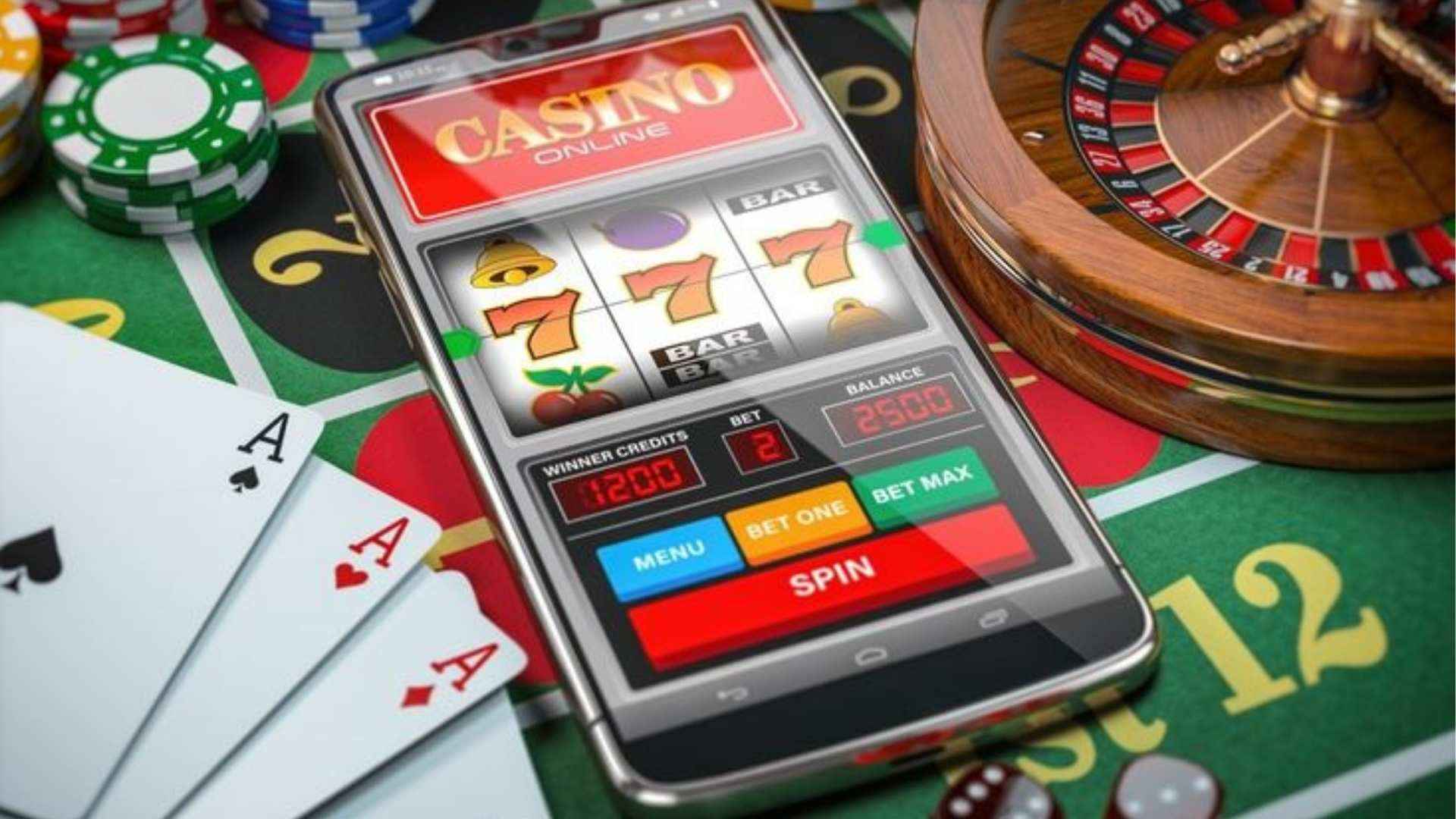
Extended card playing sessions can subtly alter a player's demeanor, turning once-patient strategists into reactive or passive decision-makers. While players often attribute shifts in performance to simple bad luck, prolonged strain at the felt directly impacts temperament and behavioral tendencies. Understanding how extended hours reshape table disposition helps competitors safeguard their mental edge during long games.
The Onset of Decision Fatigue and Behavioral Shifts
As hours pass, the cognitive load of evaluating probabilities and reading opponents drains mental reserves. This continuous effort causes decision fatigue, which gradually lowers self-control and alters risk tolerance. A player who initially played with methodical caution may slowly become reckless or overly defensive without realizing it.
Mental exhaustion quietly weakens emotional filters, allowing subtle frustration to dictate action. When fatigue sets in, routine tactical choices start feeling overwhelming and tedious. Consequently, players often abandon their ideal strategy in favor of passive calling or impulsive raising.
How Physical Strain Distorts Emotional Control
Sitting in the same position for prolonged periods creates physical discomfort that influences mood and focus. Body tension and eye strain trigger subtle stress responses in the brain, heightening irritability during tense hands. This physical degradation directly feeds into emotional volatility, making bad beats harder to process.
Many modern players access games via portable platforms like m88.com mobile to experience flexible session lengths while monitoring their personal play habits. However, convenience can sometimes encourage marathon play that pushes past healthy physical boundaries. Recognizing physical fatigue early is essential for preventing emotional erosion during competitive play.
The Erosion of Discipline and Strategic Identity
Long sessions often cause a gradual erosion of personal playing style, blurring the line between disciplined execution and gambling. As psychological stamina wears thin, players lose the patience required to fold weak holdings consistently. They may start forcing action simply to break the monotony of a prolonged card card-dead stretch.
This shift in table demeanor can project weakness to observant opponents who track changing behavioral patterns. When your disposition shifts from calculated aggression to desperate action, skilled rivals quickly exploit the change. Protecting your core strategic identity requires acknowledging when discipline begins to slip.
Establishing Healthy Session Boundaries
Maintaining a stable personality at the table relies on setting strict limits before a session begins. Taking planned breaks allows the brain to reset, lowering stress hormones and restoring cognitive function. Stepping away periodically restores objective perspective and prevents exhaustion from driving decision-making.
Ultimately, self-awareness remains the most effective defense against personality shifts caused by extended play. Monitoring your internal emotional state helps you identify early signs of frustration, fatigue, or detachment. Ending a session at the right time preserves both your bankroll and your strategic discipline.